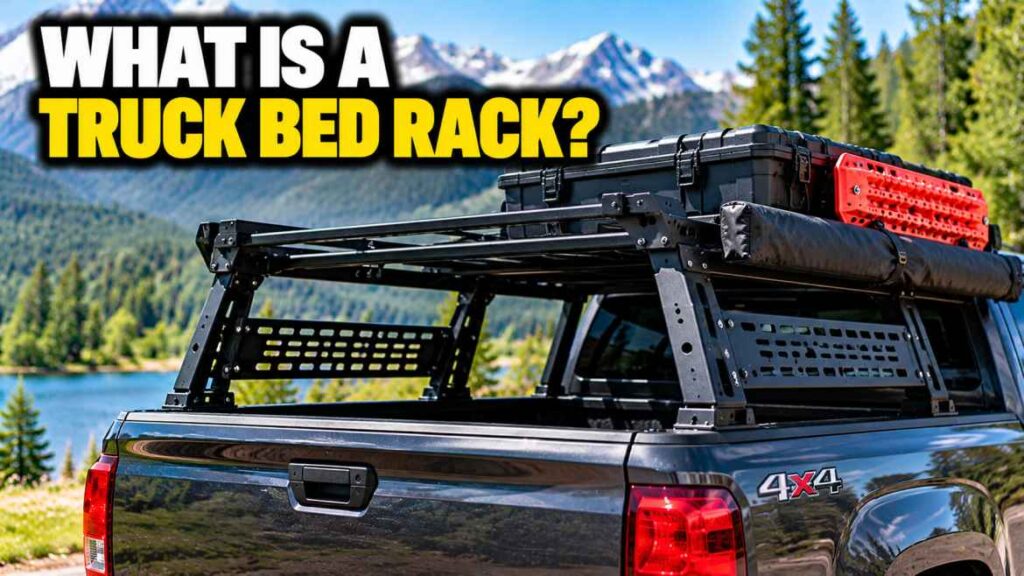
A truck bed rack is a structural rack system mounted to a pickup’s bed, bed rails, or an approved track system to create an elevated platform for carrying gear above the bed. Depending on the design, a rack can support items such as kayaks, bikes, lumber, ladders, cargo boxes, or rooftop tents.
A truck bed rack adds elevated load-carrying points to a pickup. Most systems use uprights and crossbars or a platform, with mounting hardware that attaches to bed rails, tracks, or approved points on the truck. Low racks preserve more bed access, mid-height racks balance access and clearance, and high racks can create space for long or bulky gear. Always use the rack’s specific payload rating, truck compatibility, and installation instructions rather than assuming every rack has the same capacity.
What Is a Truck Bed Rack?
A truck bed rack is an accessory framework that raises a load above the pickup bed. Unlike a simple bed rail or tie-down point, a rack creates a higher support structure that can carry long objects or gear without occupying the entire floor area.
Thule describes its Xscape as a pickup-truck rack system that mounts to bed rails or a rail system. Yakima’s BedRock HD is another example of a bed-mounted system designed around crossbars and truck-bed attachment points. These examples show why “truck bed rack” is a category rather than one standardized design.
Main Parts of a Truck Bed Rack
| Part | Purpose |
|---|---|
| Uprights | Vertical supports that connect the rack to the truck |
| Crossbars | Provide horizontal mounting points for gear |
| Platform | Creates a broader load surface on some systems |
| Mounting hardware | Connects the rack to rails, tracks, or approved bed points |
| Accessory channels | Allow compatible mounts or brackets to be attached |
Types of Truck Bed Racks
Low-profile racks
These keep gear closer to the bed and can reduce overall vehicle height. They are useful when clearance and easy bed access are priorities.
Mid-height racks
Mid-height systems raise gear above the bed while keeping the rack relatively compact. They can be a practical compromise for bikes, boards, and general cargo.
Full-height racks
High racks can support long loads above the cab line and are common for ladders, lumber, kayaks, and rooftop-tent setups. They also increase vehicle height, which matters in garages and low-clearance areas.
What Can You Carry?
The compatible load depends on the rack, the accessory, and the truck. Common uses include kayaks and paddleboards, bicycles, ladders, lumber and other long materials, cargo baskets, and rooftop tents on systems specifically rated for that application.
Do not assume that a rack rated for ordinary on-road cargo is automatically rated for a rooftop tent or off-road use. Yakima, for example, publishes separate on-road and off-road ratings for some rack systems.
How Truck Bed Racks Mount
Some racks clamp directly to the bed rails. Others use factory tracks or dedicated mounting points. The installation method matters because the truck’s bed construction and accessory layout determine what mounting hardware is appropriate.
Some systems are designed for tool-free attachment, while others require bolts, clamps, or torque-controlled fasteners. Follow the rack’s exact manual.
Understanding Rack Load Ratings
Load capacity is one of the most misunderstood parts of truck-rack shopping. A manufacturer may publish different ratings for static, on-road, and off-road use. Those numbers are not interchangeable.
The rack also does not increase the truck’s overall payload beyond the vehicle’s limits. The rack, accessory, and cargo all contribute to the load carried by the truck. Stay within the lowest applicable limitation.
Truck Racks and Tonneau Covers
Some rack systems can coexist with tonneau covers, but compatibility is highly product-specific. Yakima lists a dedicated tonneau kit for select systems, while other rack designs may occupy the same bed-rail space as a cover.
If you already have a tonneau cover, check both manufacturers’ compatibility information before buying a rack. Do not assume that a clamp can simply share the same rail.
Fitment Considerations
- Truck make, model, and model year
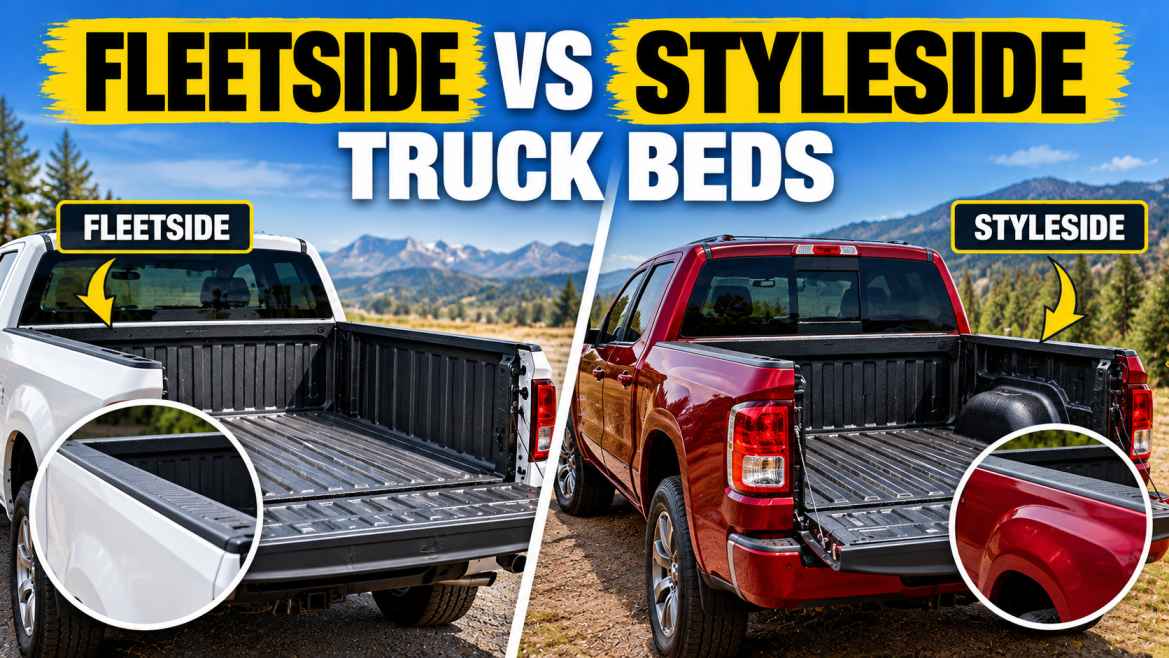
- Bed length and bed-rail design
- Factory track systems
- Bed liner and tailgate configuration
- Existing tonneau cover or toolbox
- Desired rack height
- Intended cargo and load rating
- Garage and bridge clearance
Our Best Truck Bed Racks guide covers product-selection considerations, while this article explains the underlying rack system.
Frequently Asked Questions
Does a truck bed rack carry weight above the bed?
Yes. A rack creates elevated support points, but the allowed weight depends on the rack and truck.
Can a truck bed rack hold a rooftop tent?
Some are designed and rated for rooftop tents; others are not. Check the manufacturer’s specific static and dynamic ratings.
Can a truck bed rack work with a tonneau cover?
Some combinations are designed to work together, but compatibility is model-specific and may require dedicated hardware.
Does a bed rack reduce truck payload?
The rack and its cargo count toward the truck’s payload. A rack does not increase the vehicle’s factory payload rating.
How Rack Height Changes Use
Rack height affects what the truck can carry and how the vehicle behaves. A low rack keeps gear closer to the bed and generally preserves more clearance. A mid-height rack can provide a useful compromise. A full-height rack can support long cargo above the cab area but adds vehicle height and can change wind exposure.
Height should therefore be chosen around the cargo you actually carry rather than because one rack looks more capable.
Bed Rack vs. Bed Rails
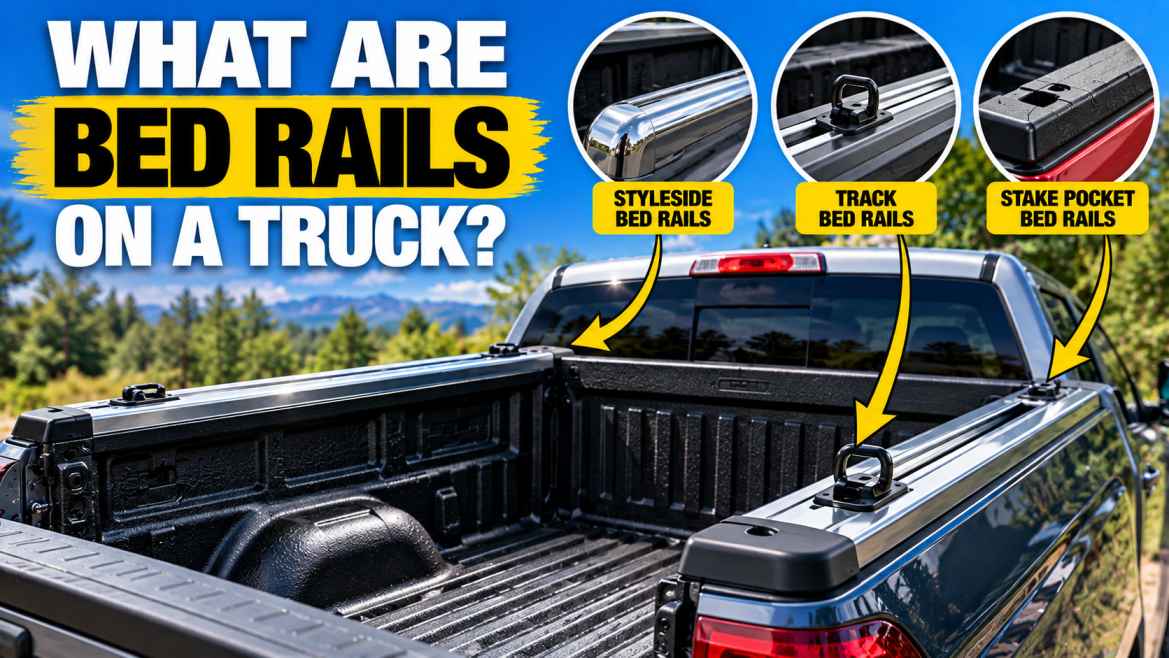
Bed rails provide attachment points along the bed perimeter; a bed rack uses a larger structural framework to elevate and support cargo. They can work together, but they are not the same accessory.
A rack may mount to bed rails, factory tracks, or dedicated mounting points. The mounting method determines compatibility with other accessories.
Advantages and Limitations
| Potential advantage | Trade-off |
|---|---|
| Carry long gear above the bed | Increased overall vehicle height |
| Free some bed-floor space | Rack weight reduces available payload |
| Add accessory mounting points | More hardware to maintain |
| Support specialized gear | Requires careful compatibility checking |
Basic Rack Maintenance
Periodically inspect clamps, bolts, locks, accessory mounts, and protective pads. Look for movement, corrosion, damaged hardware, or contact between the rack and truck. Recheck fasteners according to the manufacturer’s maintenance schedule, particularly after initial installation.
Bottom Line
A truck bed rack is an elevated load-carrying system that expands what you can transport above the pickup bed. The right rack depends on the truck, mounting method, desired height, cargo, and applicable load ratings. Treat fitment and capacity as engineering requirements, not just shopping features.