A good truck bed cover can protect your cargo from rain, snow, dust, and sun while giving your pickup a cleaner, more finished appearance. It can also make everyday use of the bed easier by keeping loose items covered when you’re away from the truck.
The difficult part is choosing the right style. Hard folding covers offer more structure and a stronger physical barrier, while soft roll-up and tri-fold covers are generally lighter, easier to handle, and less expensive. Retractable covers take a different approach, giving you a low-profile design and convenient operation but usually at a higher cost.
There isn’t one truck bed cover that makes sense for every pickup. The right choice depends on your truck’s exact bed configuration, how often you use the bed, what you normally carry, and how much security and weather protection you need.
For this guide, we researched current product information from manufacturers and major truck-accessory retailers and compared construction, bed access, weather protection, installation, security, fitment, and everyday usability. We did not treat manufacturer claims as hands-on testing, and we have not claimed to personally test these covers.
Because tonneau covers are highly vehicle-specific, always confirm the exact year, bed length, tailgate configuration, and factory-equipment compatibility before ordering.
If you want a premium hard-folding cover, the BAKFlip MX4 is worth considering for its rigid aluminum construction and folding design. The Gator EFX provides another hard-folding approach. If keeping the purchase price lower is more important, the Tyger Auto T3 and OEDRO Soft Tri-Fold are worth comparing. If you regularly need a large, open bed, the TruXedo TruXport offers a simple soft roll-up design.
Our Top Picks
These five truck bed covers represent different cover styles and price points. The descriptions below are based on published product specifications and current product information.
Gator EFXHard folding alternative
Tyger Auto T3Budget soft tri-fold
TruXedo TruXportSoft roll-up
OEDRO Soft Tri-FoldValue-oriented option
Types of Truck Bed Covers
The cover style matters almost as much as the individual product. Two covers can fit the same pickup yet feel very different in daily use.
Hard Folding Covers
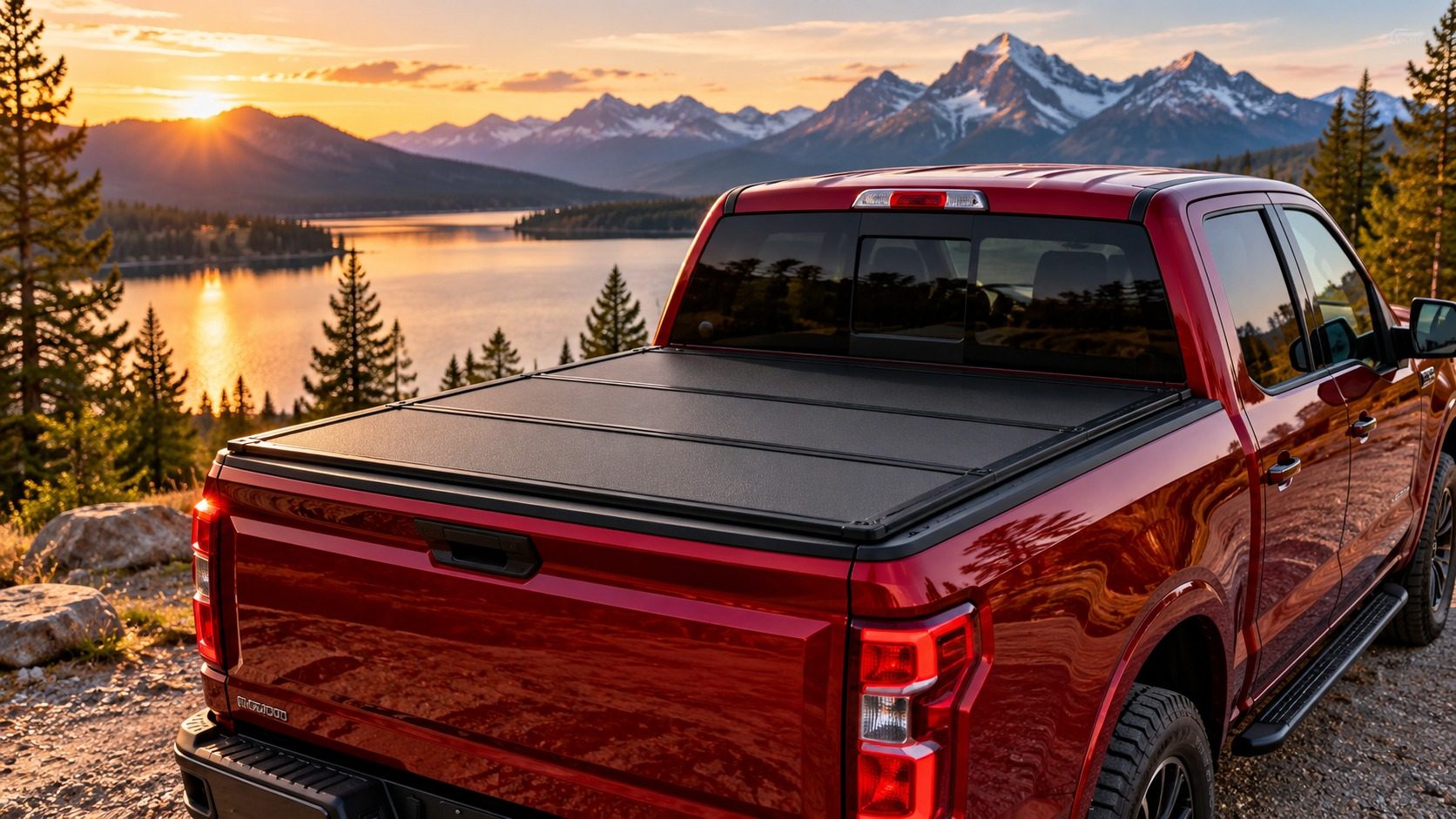
Hard folding covers use rigid panels, often aluminum, and provide a more substantial physical barrier than soft vinyl covers. They can make sense if you regularly leave tools, equipment, or luggage in the bed and want something more protective than a flexible cover.
The trade-off is weight and cost. Hard covers are usually more expensive and heavier, and the folded panels still occupy some space near the cab. Depending on the design, you may also need to remove or reposition the cover when you need completely unrestricted bed access.
Soft Tri-Fold Covers
Soft tri-fold covers are popular because they combine relatively simple installation with easy operation. The cover folds toward the cab when you need access to the front portion of the bed, and many designs can be removed when you need the entire bed open.
They don’t provide the same physical barrier as a hard cover, but that may not matter if your main goal is keeping normal cargo covered from weather and out of sight.
Soft Roll-Up Covers
A roll-up cover is particularly useful when bed access is important. Instead of folding several panels together, the cover rolls toward the cab, leaving most or all of the bed open.
This can be convenient for owners who regularly carry large boxes, outdoor equipment, lumber, or other items that don’t work well with a folded cover sitting behind the cab.
Retractable Covers
Retractable covers slide into a housing near the front of the bed. They can provide a clean appearance and convenient opening, and some designs can be positioned at different points along the bed.
The main drawbacks are cost and the space occupied by the canister or housing. They’re worth considering when appearance and convenient operation matter more than keeping every inch of bed space available.
Which Type Should You Choose?
There is no need to start with a specific brand. Start with the way you use the truck.
Choose hard folding if security and durability are priorities
A rigid folding cover is a reasonable starting point if you regularly carry tools or equipment and want a stronger physical barrier. It can also suit owners who prefer a more substantial, finished look.
Choose soft tri-fold for straightforward everyday coverage
A soft tri-fold can be a practical choice when you want weather coverage and a simple opening system without paying for a premium hard cover. It is particularly useful if you normally carry smaller loads and only occasionally need more bed access.
Choose soft roll-up if you frequently need an open bed
A roll-up design makes sense when large or awkward cargo is a regular part of your routine. You can generally open a large portion of the bed without removing several rigid panels.
Choose retractable if low-profile operation matters
Retractable covers offer a different balance between appearance, access, and convenience. The added mechanism and housing usually mean a higher price, so they make the most sense when those features are genuinely useful to you.
How We Chose
We looked at the characteristics that are most likely to affect real-world ownership rather than simply collecting a list of popular products.
Our comparison focused on:
- Construction: the materials and general design used by each cover.
- Bed access: how much of the bed remains available when the cover is opened.
- Weather protection: seals, drainage, tensioning, and the way the cover is intended to protect the bed.
- Installation: whether the design is clamp-on, no-drill, or has vehicle-specific installation requirements.
- Security: the difference between a flexible cover and a rigid cover and the limitations of each.
- Fitment: truck year, bed length, tailgate configuration, bedliners, and factory accessories.
- Everyday usability: opening, closing, removing, storing, and living with the cover.
We used current manufacturer and retailer information for the products discussed here. Specifications can change by truck application, so the exact product page for your vehicle should always be treated as the final fitment reference.
Detailed Reviews
1. BAKFlip MX4 — Premium Hard Folding Option

If you want a rigid cover with substantial construction and a clean, low-profile appearance, the BAKFlip MX4 is one of the more premium options in this group.
Its hard folding design uses aluminum panels and a matte finish. The four-panel layout means you don’t necessarily have to remove the entire cover whenever you need additional bed access. Current BAK product information describes the MX4 with automatic latching and weather-sealing features and lists a 400-pound evenly distributed load rating for the newer product information we reviewed. That load rating should not be interpreted as a recommendation to place heavy cargo directly on the cover without following BAK’s instructions.
The MX4 makes the most sense for someone who wants stronger physical construction and is willing to spend more for it. The trade-offs are its higher cost and greater weight compared with soft covers. The folded panels also occupy some space near the cab when the cover is open.
Who should consider it?
- Truck owners who want a hard folding design
- Drivers who regularly carry tools or equipment
- Buyers who prefer a more substantial cover
- Owners who want convenient partial or full bed access
- Buyers comfortable with premium-cover pricing
Who may want something else?
If your main goal is keeping everyday cargo covered from weather, a soft tri-fold or roll-up can accomplish that with less weight and expense.
Pros
- Rigid aluminum-panel construction
- Folding design preserves useful bed access
- Matte finish and low-profile appearance
- Strong physical barrier compared with soft covers
Cons
- Higher cost than soft covers
- Heavier than flexible designs
- Folded panels occupy space near the cab
- Exact fitment is vehicle-specific
2. Gator EFX — Hard Folding Alternative

The Gator EFX takes another hard-folding approach and is worth considering if you want rigid construction without automatically moving into the most expensive end of the tonneau-cover market.
Gator’s current product information describes multi-layer aluminum construction with a semi-gloss coating, perimeter seals and drain tubes. The cover is designed to provide access to roughly two-thirds of the bed when folded and uses a no-drill installation approach on applicable vehicles. Gator also lists a 300-pound evenly distributed load rating and a two-year warranty for the EFX.
Its main appeal is the balance between rigid construction and practical bed access. It is still a hard cover, so it will generally weigh more and cost more than a basic soft tri-fold. As with every tonneau cover, the exact truck application matters more than the general product name.
Who should consider it?
It fits buyers who want a hard folding cover, useful partial bed access, and a more structured design but don’t necessarily need the feature set or price level of a top-tier cover.
Pros
- Multi-layer aluminum construction
- Two-thirds bed access when folded
- No-drill installation on applicable models
- Perimeter sealing and drain system
Cons
- Heavier than soft covers
- Less bed access than a full roll-up when folded
- Warranty and fitment depend on the application
- Still a higher-cost choice than basic soft covers
3. Tyger Auto T3 — Soft Tri-Fold Value

The Tyger Auto T3 is aimed at buyers who want the basic benefits of a tonneau cover without moving into hard-cover pricing.
Current Tyger product information describes the T3 with dual-coated 24-ounce marine-grade vinyl, an aluminum frame, and stainless-steel clamps. The cover uses a tri-fold design and comes with preassembled crossbars on applicable versions. Tyger also lists a five-year warranty for U.S. customers on its current product information.
One important detail is fitment. Some truck applications require a small cutout around the bedliner to allow the clamps to mount correctly. That isn’t necessarily a problem, but it means you should read the installation instructions for your exact truck rather than assuming every T3 installation is identical.
Who should consider it?
The T3 is a sensible starting point for someone who mainly wants weather coverage, a simple folding design, and lower cost. It is less suited to buyers who expect the physical security of a rigid cover.
Pros
- 24-ounce marine-grade vinyl construction
- Aluminum frame and stainless clamps
- Simple tri-fold design
- Generally lower-cost approach
- Five-year U.S. warranty listed by Tyger
Cons
- Less physical security than hard covers
- Some applications may require bedliner modification
- Fitment varies by truck
- Flexible material can have different long-term care needs than rigid panels
4. TruXedo TruXport — Soft Roll-Up for Easy Bed Access

The TruXedo TruXport takes a different approach from the folding covers above. It is a soft roll-up design built around quick access to the truck bed.
Current product information describes an RTxVinyl cover with spring-loaded tensioning and a clamp-on, no-drill installation on applicable trucks. When rolled toward the cab as designed, it provides full bed access without requiring the cover to be completely removed. Current listings also describe a five-year warranty.
This makes the TruXport particularly interesting for truck owners who frequently switch between a covered bed and an open bed. The trade-off is that the flexible construction does not provide the same physical barrier as a hard folding cover.
Who should consider it?
It is a strong fit for owners who value quick, full-bed access and prefer the simplicity of a soft roll-up design.
Pros
- Roll-up design gives full bed access
- Clamp-on installation on applicable models
- Spring-loaded tensioning
- Low-profile soft-cover approach
- Five-year warranty listed in current product information
Cons
- Less physical security than rigid covers
- Soft material is not as substantial as aluminum panels
- Exact fitment is vehicle-specific
- Rolled cover remains at the front of the bed
5. OEDRO Soft Tri-Fold — Value-Oriented Option

The OEDRO Soft Tri-Fold is aimed at buyers who want a straightforward cover without moving into premium hard-cover pricing.
Current OEDRO product information describes soft tri-fold versions using PVC material and aluminum-alloy components, with vehicle-specific fitment. The brand’s product information also lists a one-year warranty for applicable versions.
The important point with OEDRO is to compare the exact application rather than assuming every cover sold under the same product family has identical hardware, fitment, or warranty terms. Truck year, bed length, tailgate design, and other equipment can change the installation requirements.
Who should consider it?
This cover makes the most sense for a budget-conscious owner who wants basic cargo coverage and a tri-fold opening system and is willing to spend time confirming the exact fitment.
Pros
- Soft tri-fold configuration
- PVC construction with aluminum components on applicable models
- Simple installation design
- Multiple truck applications
- Generally less expensive than premium hard covers
Cons
- Less physical security than hard covers
- Specifications vary by truck
- Warranty can vary by application
- Exact bed size must be confirmed before ordering
How Much Protection Do You Actually Need?
It is easy to assume that a more expensive tonneau cover automatically provides a better experience. In practice, the right level of protection depends on what you carry and where the truck normally sits when it is loaded.
If you mostly use the truck for groceries, luggage, camping equipment, and everyday items, a soft cover may provide all the protection you need. The main benefit is keeping normal cargo covered and less visible without adding unnecessary weight or expense.
If you regularly leave expensive tools or equipment in the bed, a rigid cover deserves more consideration. A hard cover provides a stronger physical barrier and can make casual access more difficult than simply cutting or opening flexible material.
That does not mean a hard tonneau cover makes a truck theft-proof. A determined thief can still attack the tailgate, locks, or other parts of the vehicle. For particularly valuable equipment, a locking toolbox or dedicated storage system can provide another layer of protection.
Weather protection is another consideration. A properly installed cover can greatly reduce exposure to rain, snow, road spray, and dust, but tonneau covers should not automatically be treated as completely waterproof. Seams, tailgate gaps, corners, drainage channels, and installation alignment can all affect how much water reaches the bed.
If your cargo cannot tolerate moisture, waterproof containers are still the safer approach.
What to Consider Before Buying
1. Confirm Your Truck Year and Generation
Do not rely only on the truck’s model name. A cover designed for one generation of a pickup may not fit another generation correctly even when both trucks are sold under the same name. Changes to bed dimensions, mounting points, tailgates, and factory equipment can affect compatibility.
2. Check the Exact Bed Length
This is one of the most important measurements. A 5.5-foot, 5.7-foot, 6.5-foot, or 8-foot bed requires a different cover configuration. Select the exact bed length shown in the manufacturer’s fitment selector instead of relying on a generic truck-model description.
3. Check the Tailgate
Modern pickups can have multifunction, split, or other specialized tailgates. A cover that fits the bed dimensions may still have compatibility limitations with a particular tailgate. Check the manufacturer’s notes before ordering.
4. Consider Your Factory Accessories
Check compatibility with bedliners, utility tracks, factory rails, cargo-management systems, bed racks, toolboxes, and other accessories. These can affect installation even when a cover is advertised as no-drill.
5. Decide How Much Security You Need
A hard cover generally creates a stronger physical barrier than a flexible vinyl cover. If you regularly leave expensive tools or equipment in the truck overnight, a rigid cover deserves more consideration. If you mainly want to keep ordinary cargo covered and out of sight, a soft cover may be sufficient.
6. Think About Bed Access
If you frequently carry tall or bulky cargo, think carefully about how the cover opens. Folding covers stack toward the cab, while roll-up covers can provide a large open area without removing the entire cover. Retractable designs can offer convenient positioning but use a housing that occupies some bed space.
7. Consider How Often You Remove the Cover
If you regularly need a completely open bed, pay attention to how heavy the cover is and how difficult removal is. A cover that looks excellent when installed may be less convenient if you need two people every time you want unrestricted bed access.
8. Look at the Warranty and Replacement Parts
Warranty length can vary considerably between brands and applications. Also consider whether replacement seals, clamps, tension components, or other parts are available. Those details can matter several years after the initial purchase.
Installation and Fitment: What Buyers Often Miss
One of the easiest mistakes to make with a tonneau cover is choosing the right product but the wrong application.
Truck year and generation
Verify the exact generation before ordering. Manufacturers sometimes change bed dimensions or mounting arrangements during a model refresh.
Bed length
Confirm the actual bed length rather than estimating from the truck’s overall size. The product’s fitment selector should match the specific configuration of your pickup.
Bedliner
Spray-in and drop-in bedliners can change how mounting hardware sits on the bed rails. Some covers may require adjustments or small modifications for certain bedliner configurations. Follow the manufacturer’s instructions for your exact application.
Factory rails and accessories
Utility tracks, bed rails, cargo-management systems, toolboxes, ladder racks, and bed racks can interfere with mounting. If you already have an accessory installed, verify compatibility before buying the cover.
Do not assume no-drill means universal
No-drill generally describes the installation method; it does not mean the cover fits every truck. Vehicle-specific clamps and brackets still have to line up correctly with the bed.
A product page saying that a cover fits your truck model is not always enough. Select the exact year, model, bed length, and configuration from the manufacturer’s fitment information.
Soft vs. Hard Tonneau Covers
The choice between soft and hard construction is one of the biggest decisions when shopping for a tonneau cover. Neither type is automatically right for every truck owner.
| Factor | Soft Covers | Hard Covers |
|---|---|---|
| Typical cost | Lower | Higher |
| Weight | Usually lighter | Usually heavier |
| Physical security | Basic | Generally stronger |
| Bed access | Roll-up or fold-up | Fold, flip, or retract depending on design |
| Installation | Often simple clamp-on | Often clamp-on, but hardware is generally heavier |
| Storage when open | Usually rolls or folds near the cab | Panels or a housing occupy some space |
| Best fit for | Everyday coverage and lower cost | More substantial construction and security |
The most important difference is not simply material. Think about how often you need access to the bed, what you carry, how much security matters, and whether the extra cost and weight of a rigid design provide benefits you will actually use.
Maintenance and Long-Term Use
A tonneau cover does not usually require complicated maintenance, but a little regular care can help keep it working properly.
Keep the cover clean
Dirt and road grime can accumulate around seals, hinges, clamps, and folding joints. Follow the manufacturer’s cleaning recommendations rather than using aggressive chemicals that could damage vinyl, coatings, or finishes.
Check the seals and drainage areas
If you begin noticing water entering the bed, inspect the perimeter seals, corners, drainage tubes, and tailgate area. Water intrusion is not necessarily proof that the cover itself has failed; alignment and installation can also be responsible.
Inspect the mounting hardware
Clamps and other mounting components should remain secure. If something becomes loose, address it before continuing to use the cover.
Do not overload the cover
If the manufacturer provides a load rating, follow the stated conditions. A rating for evenly distributed weight does not mean a heavy object can safely be dropped onto one small section of the cover.
Follow the operating instructions
This is particularly important when driving with a cover folded or rolled open. Different covers use different retention systems, and not every cover is designed to be driven in every configuration.
Are Truck Bed Covers Waterproof?
Not necessarily. A properly installed tonneau cover can provide very good protection against rain, snow, dust, and debris, but no cover should automatically be treated as completely waterproof.
Water can enter around tailgate gaps, seams, corners, drainage points, worn seals, or poorly aligned rails. The design of the cover and the quality of installation both matter.
If your cargo absolutely cannot get wet, sensitive equipment should still be stored in waterproof containers rather than relying entirely on a tonneau cover.
Do Tonneau Covers Improve Gas Mileage?
A tonneau cover can change airflow over a pickup bed, and some truck owners report improvements in highway fuel economy. However, results vary with the truck, cover, speed, load, wind, and driving conditions.
We would not buy a cover solely for promised fuel savings. Cargo protection, security, appearance, and convenience are more dependable reasons to add one.
Are Hard Tonneau Covers More Secure?
Generally, a rigid cover provides a stronger physical barrier than a flexible vinyl cover. However, the cover is only one part of the truck’s security setup.
If you regularly carry expensive equipment, consider combining a rigid tonneau cover with a locking toolbox or another dedicated storage solution. Also remember that the tailgate and other vehicle entry points still need to be secured.
How Much Should You Spend on a Tonneau Cover?
There is a wide range of prices because construction, brand, truck application, bed length, and features all affect the final cost. Soft covers generally sit below premium hard folding and retractable designs, but the exact price can change significantly from one truck application to another.
Consider how long you plan to keep the truck, what you carry, how often you use the bed, how important security is, and how frequently you need to remove the cover. A more expensive cover is not automatically the right choice for every owner.
Frequently Asked Questions
What is the best truck tonneau cover?
There isn’t one universal answer. The right cover depends on your truck, budget, desired security, and how frequently you need bed access. The BAKFlip MX4, Gator EFX, Tyger Auto T3, TruXedo TruXport, and OEDRO Soft Tri-Fold represent different approaches to those priorities.
What are the best tonneau covers for daily driving?
For daily driving, ease of operation and fitment are usually more important than simply choosing the most expensive model. A soft roll-up can be convenient if you frequently need a large opening, while a tri-fold can be useful when you want to open only part of the bed.
Are truck bed covers worth it?
For many truck owners, a cover can be useful for protecting cargo from weather, reducing visibility into the bed, and keeping the truck looking cleaner. Whether it is worth the cost depends on how often you use your bed and what you carry.
What is the best truck bed cover for rain?
Look for a cover with good perimeter sealing, drainage, and vehicle-specific fitment. Installation quality also matters. No tonneau cover should be assumed to be completely waterproof simply because a listing uses terms such as weatherproof or waterproof.
What is the best pickup bed cover for security?
Hard folding and other rigid covers generally provide greater physical protection than soft vinyl covers. If security is a major concern, look for a strong latching system and make sure the truck’s tailgate is secured as well.
Do tonneau covers fit all trucks?
No. Tonneau covers are generally vehicle- and bed-specific. Model year, bed length, tailgate configuration, factory rails, bedliners, and other equipment can all affect fitment.
Can you drive with a tonneau cover folded open?
Many folding covers are designed to be secured in an open position, but the exact instructions vary by product. Always follow the manufacturer’s installation and operating instructions before driving with a cover open or folded.
Can I use a tonneau cover with a bedliner?
Usually, yes, but compatibility depends on the cover and the type of bedliner. Some covers use clamps that require clearance around an over-the-bed-rail liner. Check the manufacturer’s installation instructions for your specific truck.
Can I use a tonneau cover with a truck bed rack?
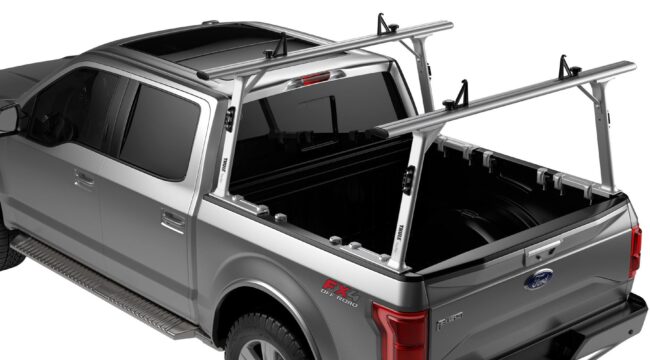
Some covers are compatible with specific bed racks, but compatibility depends on the mounting system. Do not assume that any rack and tonneau combination will work together.
Should I remove my tonneau cover when hauling large items?
That depends on the design. Some covers can roll or fold toward the cab, while others may need to be removed for completely unrestricted bed access. Check the manufacturer’s instructions before carrying oversized cargo.
Final Thoughts
The best truck bed covers aren’t necessarily the most expensive ones. The right choice depends on how you use your pickup.
If you want a premium hard-folding design, the BAKFlip MX4 is worth a close look. The Gator EFX provides another hard-cover option. Buyers who want to spend less can compare the Tyger Auto T3 and OEDRO Soft Tri-Fold, while the TruXedo TruXport makes sense for drivers who prefer a simple roll-up design.
Before ordering, confirm the exact truck year, bed length, tailgate configuration, bedliner, and factory accessories. That step can prevent a surprisingly common problem: receiving a cover that belongs to the right truck model but does not match your particular bed configuration.
If you rarely carry expensive equipment, a basic soft cover may do everything you want. If your truck regularly carries tools or valuable gear, the additional construction of a hard cover may be easier to justify.
Ultimately, the right truck bed cover is the one that fits your truck correctly, works with your accessories, and makes everyday use of the bed easier.