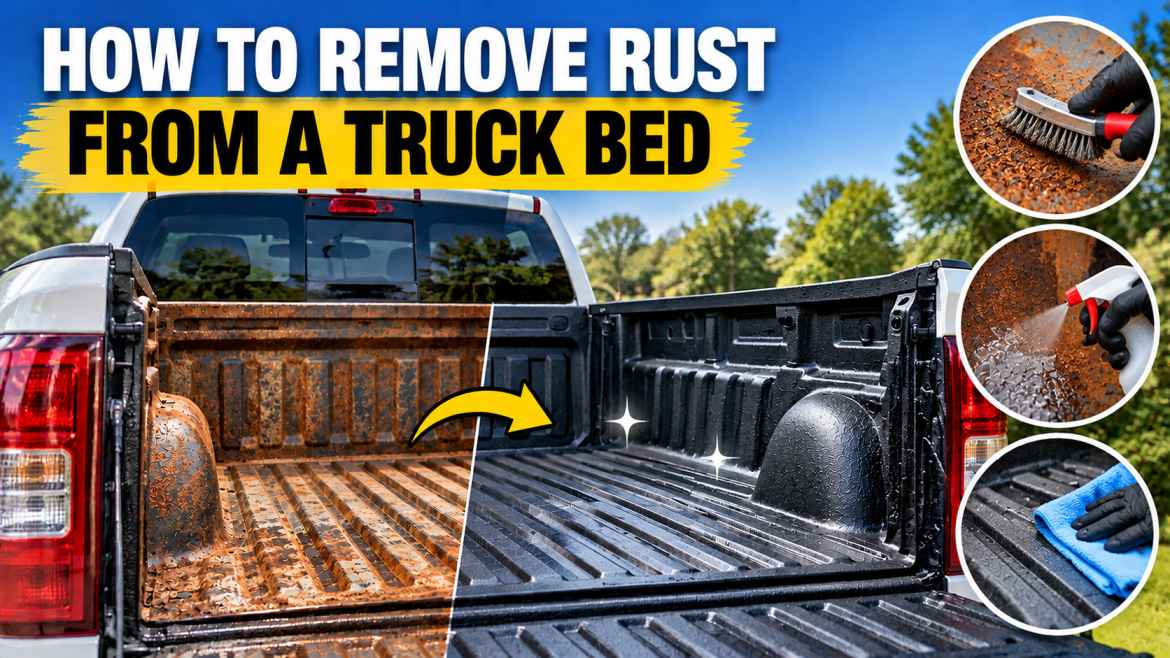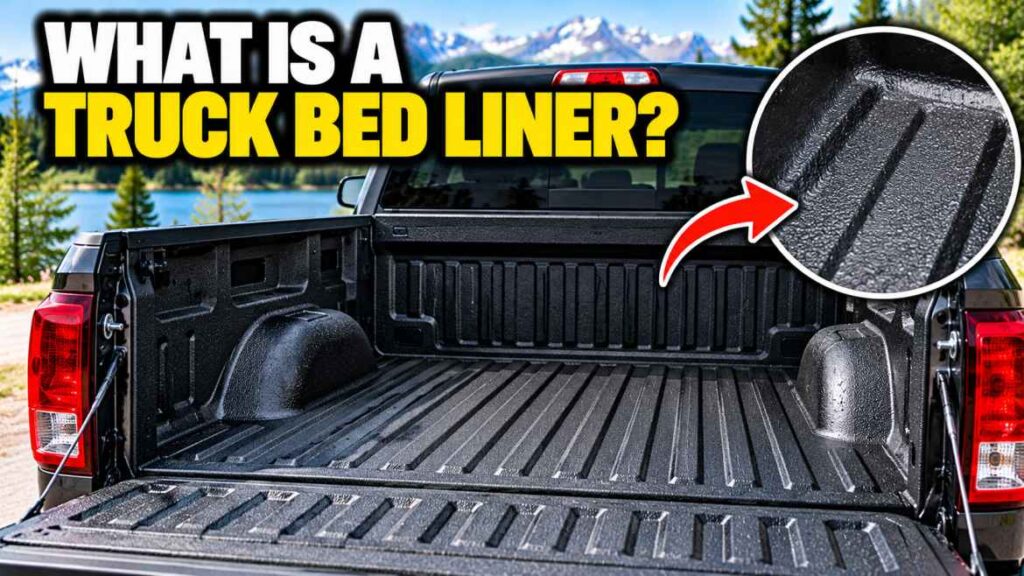
A truck bed liner is a protective layer or insert designed to shield the cargo bed from abrasion, impacts, scratches, moisture, and everyday hauling damage. Bed liners are not one product type: they include permanent applied coatings, removable drop-in liners, sectional systems, and other protective surfaces.
A truck bed liner protects the underlying bed surface from the wear caused by cargo. Spray-in liners are coatings applied directly to the bed; drop-in liners are pre-formed inserts; sectional liners use separate pieces; and bed mats protect mainly the floor. Each approach has different trade-offs in permanence, fit, traction, maintenance, moisture management, cost, and repairability.
What Is a Truck Bed Liner?
A truck bed liner is a protective surface installed in or applied to the cargo box of a pickup. Its purpose is to reduce damage to the factory bed from cargo, tools, moisture, abrasion, and repeated loading.
The liner becomes a sacrificial or protective surface between the cargo and the truck bed. It can also change traction, cleaning, noise, and how easily the bed can be inspected or restored.
Main Types of Truck Bed Liners
| Type | How it works | Main characteristic |
|---|---|---|
| Spray-in | Protective coating bonded to the bed | Permanent, contour-following surface |
| Drop-in | Pre-formed insert fitted inside the bed | Removable and vehicle-specific |
| Sectional | Separate panels and/or floor pieces | Replaceable sections on some systems |
| Bed mat | Protective mat on the bed floor | Simple floor-focused protection |
What Is a Spray-In Bed Liner?
A spray-in liner is a coating applied directly to the prepared bed surface. Common formulations include polyurethane, polyurea, or blends. The material follows the bed’s contours and can cover areas that a rigid insert may not reach as seamlessly.
Application quality matters. Surface preparation, product chemistry, thickness, curing conditions, and installer technique all affect the finished coating. A spray-in liner is also much harder to remove than a drop-in liner.
Our Best Spray-In Bed Liners article focuses on product selection; this guide is about what the category means and how it works.
What Is a Drop-In Bed Liner?
A drop-in liner is a molded or formed insert that sits inside the truck bed. It is designed around a particular bed shape and may cover the floor, sidewalls, and tailgate depending on the product.
One advantage is reversibility: the liner can generally be removed for cleaning or inspection. The fit matters, however. Movement, trapped dirt, or moisture underneath a poorly fitted or damaged liner can create maintenance problems.
Ford’s current accessory descriptions provide a useful example: its drop-in bedliners are shaped for specific bed configurations and use ribbed floors to promote drainage and airflow between the liner and bed.
Sectional Liners and Bed Mats
Sectional systems use separate pieces rather than one large molded shell. Depending on the design, damaged sections can be easier to replace without replacing the entire system.
A bed mat is different again. It usually focuses on protecting the floor rather than enclosing the sidewalls. That can be useful when you want cushioning and traction without covering every bed surface.
These categories overlap in purpose but should not be treated as interchangeable. Our Best Truck Bed Liners and Best Truck Bed Mats guides cover the commercial choices separately.
What a Bed Liner Protects Against
- Scratches from tools and cargo
- Abrasion from repeated loading
- Scuffs and cosmetic wear
- Some impact-related surface damage
- Moisture exposure when the liner and bed are correctly maintained
- Cargo movement through added texture or traction on some designs
A liner cannot prevent every dent or structural impact. A heavy object can damage the bed through a liner, particularly when the load is concentrated in a small area.
Limitations and Maintenance
A liner is not a substitute for inspecting the underlying bed. With removable systems, periodically remove or lift the liner as permitted and inspect for dirt, moisture, corrosion, or damage.
Spray-in coatings should also be inspected for chips, peeling, cracking, or areas where the underlying bed may be exposed. Repair procedures vary by product.
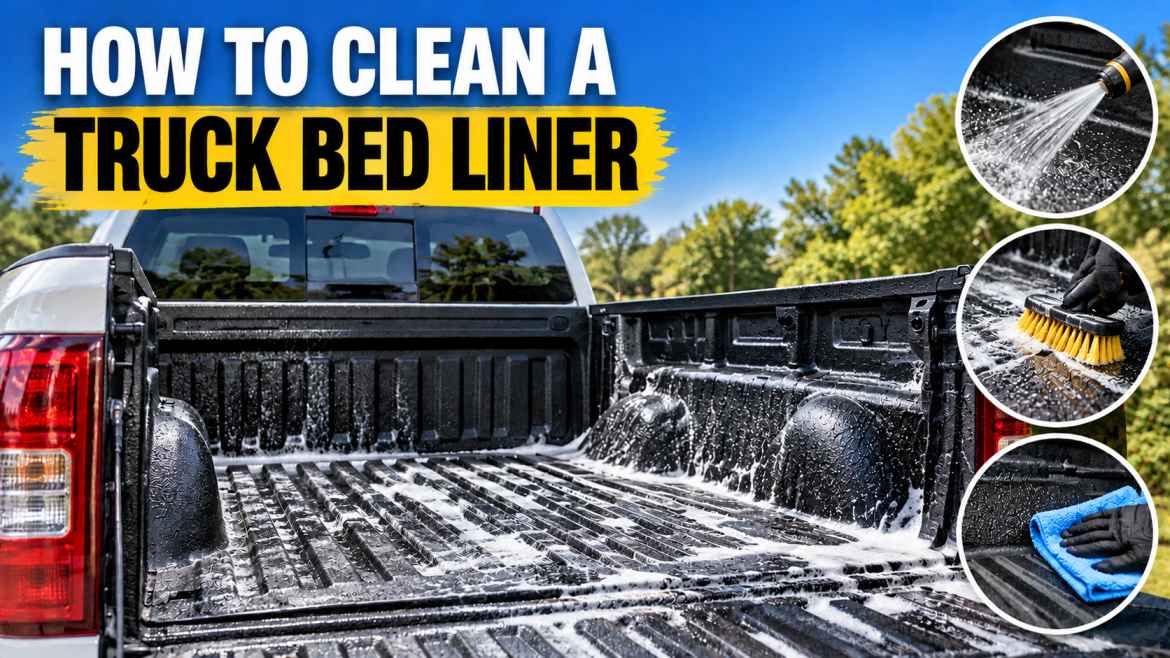
Cleaning requirements depend on the material and texture. A deeply textured coating can hold fine debris differently from a smooth plastic liner. Avoid assuming that one cleaner is safe for every liner type.
Fitment Matters
Truck beds vary by model year, bed length, cab configuration, tailgate, wheelhouse shape, factory features, and market. A liner that fits one version of a pickup may not fit another.
Ford’s accessory catalog, for example, lists separate bedliner applications by bed size and model-year range.
Always verify the exact vehicle application before buying. If you are unsure of your bed dimensions, our truck bed dimensions guide explains the measurements that matter.
How to Choose the Right Type
| If you prioritize… | A logical starting point |
|---|---|
| Permanent full-bed protection | Spray-in coating |
| Removability | Drop-in or sectional system |
| Floor cushioning and traction | Bed mat |
| Easy replacement of individual sections | Sectional design, where available |
| Factory-specific integration | OEM or precisely matched aftermarket liner |
There is no universally best liner. Your hauling habits, desired permanence, maintenance routine, cargo type, and truck configuration should drive the decision.
Frequently Asked Questions
Does a truck bed liner prevent rust?
A properly installed liner can help protect the bed from moisture and abrasion, but it cannot guarantee that rust will never occur. Damaged coatings, trapped moisture, existing corrosion, and poor maintenance can still create problems.
Is a spray-in bed liner permanent?
It is generally considered a permanent coating compared with removable liners. Removing it can require substantial labor.
Can a drop-in liner trap water?
It can if water or debris gets beneath the liner and is not able to drain or dry properly. Fit, drainage design, and maintenance matter.
Is a bed mat a bed liner?
A mat is a type of bed protection, but it usually covers only the floor and does not provide the same wall coverage as a full bed liner.
Can a bed liner stop dents?
It can reduce surface damage and absorb some abuse, but it cannot guarantee protection against structural dents from heavy impacts.
What Are Bed Liners Made From?
Material depends on the liner type. Spray-in systems commonly use polyurethane, polyurea, or related coating formulations. Drop-in liners are commonly molded from durable plastics such as polyethylene-based materials. Mats may use rubber, thermoplastic, carpet-like, or composite materials.
The material affects texture, flexibility, traction, cleaning, repairability, and how the liner interacts with cargo. A material name alone does not establish quality; formulation and manufacturing also matter.
Bed Liner vs. Bed Mat
A full bed liner normally protects the floor and sidewalls, while a mat is primarily a floor-protection product. A mat can be useful when you want cushioning and traction without permanently covering the rest of the bed.
For trucks that regularly haul sharp, dirty, or abrasive materials, broader coverage may make more sense. For light-duty cargo and easy removal, a mat can be sufficient.
Factory vs. Aftermarket Liners
Factory and aftermarket liners can both be purpose-built for a particular truck. What matters is the actual application, coverage, drainage, material, and installation method rather than the label alone.
OEM catalogs demonstrate how fitment can vary even within one truck line: Ford lists bedliner applications by bed size and model-year range rather than treating every F-150 or Super Duty bed as identical.
Can a Liner Hide Existing Damage?
Yes. A liner can make an old bed look cleaner while covering scratches, dents, or corrosion underneath. That is convenient cosmetically but can make inspection more difficult. If you are installing a removable liner, inspect and clean the underlying bed periodically. If a spray-in liner is being installed over an existing damaged bed, address the condition according to the coating manufacturer’s preparation requirements.
Bottom Line
A truck bed liner is a protective layer or insert that helps the pickup bed withstand everyday hauling. Spray-in, drop-in, sectional, and mat systems solve the problem differently. The best choice depends on how you use the truck, how permanent you want the protection to be, and which liner correctly fits your exact bed.