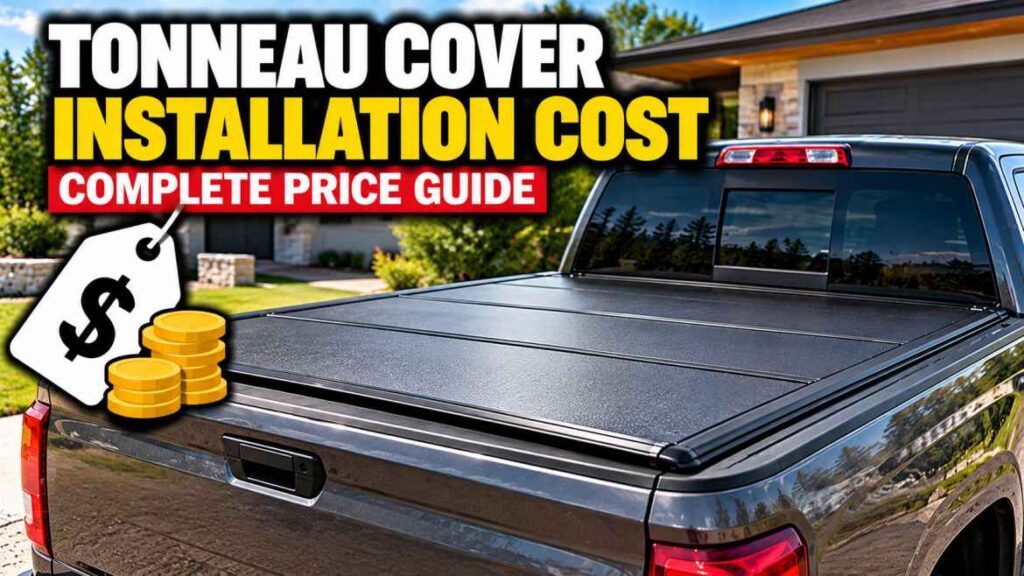
The cost of installing a tonneau cover can be surprisingly small if you install a simple clamp-on cover yourself, but professional installation can become worthwhile when the cover is heavy, complex, powered, or difficult to fit around other truck accessories.
There is no single standard tonneau cover installation price. DIY installation can cost little beyond the cover itself if you already have basic tools. Professional labor depends on the cover design, truck, installation method, electrical work, accessory interference, and local shop rates. Simple soft roll-up or folding covers are usually easier to install than retractable or powered systems. The best way to compare quotes is to separate the cost of the cover from labor and ask exactly what the installation includes.
What Tonneau Cover Installation Cost Includes
When a shop quotes installation, the charge may cover more than simply tightening clamps. Depending on the job, it can include unpacking and checking the kit, preparing the bed rails, installing seals, fitting side rails, aligning the cover, adjusting latches or tension, routing drain tubes, checking operation, and cleaning up.
Electrical work can add another layer when the cover has a motor, lighting, remote controls, or other powered features.
The price of the cover itself is separate. Current retail listings show tonneau covers ranging from budget products in the low hundreds to premium systems costing well over $1,000, with some powered or advanced designs reaching substantially higher prices. Installation should therefore be considered as part of the total project rather than as the only expense.
Our Best Truck Bed Covers guide is useful if you are still deciding which cover style you need.
What Does DIY Installation Cost?
If the cover is a straightforward clamp-on design and you already own a socket set, screwdriver, tape measure, and basic safety gear, the incremental installation cost can be close to zero.
That does not mean DIY is literally free. You may need basic hand tools, a replacement seal or hardware item if something is lost, a helper for a heavy cover, or cleaning supplies. The largest non-cash cost is your time.
The more important consideration is the risk of an incorrect installation. A misaligned cover can leak, rattle, flap, or fail to latch correctly. A DIY job is worthwhile when you can follow the manufacturer’s instructions carefully and verify the result.
What Does Professional Installation Cost?
Professional installation prices vary too much by shop and cover to justify a single universal number. A local accessory shop may quote a relatively modest labor charge for a simple soft cover, while a complex retractable or powered system can take substantially longer.
When researching quotes, ask whether the price is a flat installation fee or an hourly labor estimate. Also ask whether the shop charges extra for bed-liner trimming, drain routing, electrical connections, accessory removal, or unusually difficult fitment.
Online shop guidance and automotive installation resources consistently point to the same basic pattern: simpler covers require less labor, while covers with more moving parts or electrical connections require more time. Treat any generic internet “average” as a starting point rather than a guaranteed local price.
What Changes the Installation Price?
Cover design
A simple soft roll-up has fewer heavy components than a powered retractable system. More parts and more adjustments generally mean more installation time.
Drilling or modification
A no-drill clamp-on system is usually simpler than an installation requiring drilling or vehicle-specific modifications.
Electrical work
Powered covers can require wiring, fuses, switches, or connections to the truck. Electrical work can increase both labor time and the importance of professional installation.
Truck configuration
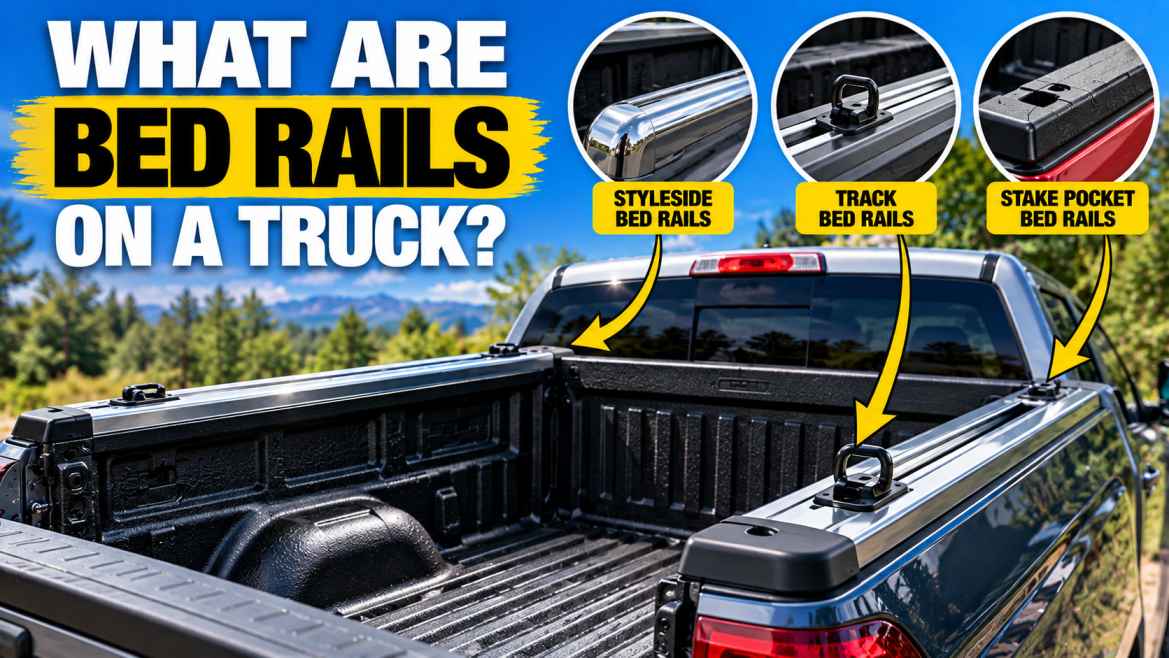
Bed rails, factory tracks, special tailgates, RamBox-style compartments, bed liners, toolboxes, and racks can complicate an otherwise simple installation.
Weight
Heavy rigid covers can be awkward to position. A shop may need more than one person or additional time to install them safely.
Fitment problems
If the cover is not the correct application, installation can become a troubleshooting exercise. Confirm fitment before paying for labor.
Installation Complexity by Cover Type
| Cover type | Typical complexity | Why |
|---|---|---|
| Soft roll-up | Low | Usually light, clamp-on, and mechanically simple |
| Soft folding | Low to moderate | Rails and folding-panel alignment |
| Hard folding | Moderate | Heavier panels, hinges, latches, and alignment |
| Retractable | Moderate to high | Tracks, housing, drains, and adjustment |
| Powered retractable | High | Mechanical installation plus electrical work |
| One-piece hinged | Moderate | Heavy lid and lift/hinge hardware |
These are complexity categories, not promises of a specific dollar amount. The exact truck and product determine the actual labor.
DIY Tools and Hidden Costs
A common mistake is comparing a shop’s labor quote with a DIY price of “$0” without counting the tools or time involved.
If you have to buy a socket set, torque wrench, trim tools, work clamps, cleaning supplies, or other equipment specifically for the installation, include those purchases in the comparison.
Also consider whether the cover manufacturer specifies a torque value. If it does, having the right torque tool can be useful, especially on systems where clamp pressure affects the fit.
Finally, account for your time. Spending an afternoon on a difficult installation may be perfectly reasonable for a DIY enthusiast. It may be less attractive if the alternative is a quick professional installation nearby.
Warranty and Installation Considerations
Read the cover’s warranty and installation requirements before choosing DIY or professional installation. Many products are designed for owner installation, but some warranties have specific conditions regarding modification, damage, or installation.
Do not assume that paying a shop automatically guarantees a warranty claim. Likewise, do not assume DIY installation automatically voids a warranty. The actual terms of the product you purchased control.
How to Compare Professional Quotes
Ask each shop the same questions:
- Is the quote labor-only or does it include hardware and seals?
- Is the installation flat-rate or hourly?
- Does it include alignment and final leak/function testing?
- Is bed-liner trimming included if the manufacturer requires it?
- Is electrical wiring included for powered covers?
- Will the shop remove an existing cover or accessory?
- What happens if the cover is found to be the wrong fitment?
- Does the shop provide any workmanship warranty?
A slightly higher quote can be the better value if it includes the work that a cheaper quote leaves out.
When Professional Installation Is Worth It
Professional installation is particularly reasonable when the cover is heavy, expensive, electrically powered, or complicated by existing accessories. It is also a good option if you are not comfortable making adjustments that affect sealing or latch alignment.
DIY makes more sense when the cover is a straightforward clamp-on system, you have the right tools, and you are comfortable reading technical instructions and checking the finished installation.
The goal is not to choose DIY because it is cheaper on paper. The goal is to get a correctly installed cover at a sensible total cost.
Frequently Asked Questions
How much does it cost to install a tonneau cover?
There is no reliable nationwide fixed price. Simple clamp-on covers generally require less labor than heavy, retractable, or powered systems. Ask local installers for a quote based on the exact cover and truck.
Can I install a tonneau cover myself?
Yes, many modern covers are designed for DIY installation. Follow the exact manufacturer’s instructions.
Is professional installation worth it?
It can be, especially for expensive, heavy, powered, or complex covers, or when you lack the tools or confidence to install and align the system correctly.
Does a bed liner increase installation cost?
It can if the liner interferes with the mounting system or requires trimming. The answer depends on the cover and liner design.
Should I buy the cover and installation together?
Either approach can work. Buying both from a reputable local installer may simplify fitment and workmanship questions, while buying the cover separately can give you more choice. Compare the total price and warranty terms.
Think in Total Project Cost
The installation quote is only one part of the decision. A more useful comparison is the total cost of getting the truck to the finished condition you want.
| Cost item | Questions to ask |
|---|---|
| Cover | What is the purchase price for the exact truck application? |
| Shipping | Is freight included, especially for heavy rigid covers? |
| Installation | Flat rate or hourly? What labor is included? |
| Extra hardware | Are seals, brackets, clamps, or drains included? |
| Accessory work | Will a rack, toolbox, or liner require extra labor? |
| Electrical | Is wiring included for a powered system? |
| Future service | Are adjustments or replacement seals covered by warranty? |
This prevents a common mistake: choosing a cover because the advertised installation fee is low while overlooking additional work needed to make it function correctly on the truck.
A Practical Budgeting Method
Start with the cover you actually need, then request two or three installation quotes if professional work is being considered. Give each installer the exact truck details and the exact cover model. Ask for the price in writing.
If the cover is a simple clamp-on design, compare the shop’s labor against the value of your time and tools. If the cover is powered or unusually complicated, put more weight on workmanship, electrical competence, and warranty support than on finding the lowest labor number.
Do not use a generic online installation price as a promise of what a local shop will charge. Labor rates and truck configurations differ significantly by location and job.
DIY vs. Professional: Quick Decision Guide
| Situation | DIY may make sense | Professional may make sense |
|---|---|---|
| Simple soft roll-up | Usually straightforward with basic tools | If you lack tools or time |
| Heavy hard folding | With a helper and careful setup | If lifting/alignment is difficult |
| Retractable | If you are comfortable with tracks and drains | If the system is complex |
| Powered cover | Only if you are comfortable with the required electrical work | Often the safer choice for wiring |
| Multiple bed accessories | Only if compatibility is clear | Useful when brackets and clearances conflict |
Bottom Line
Tonneau cover installation cost depends mainly on the cover, truck configuration, installation method, and labor involved. A simple clamp-on cover can be a practical DIY project, while complex retractable or powered systems can justify professional help. Before comparing prices, confirm fitment and ask exactly what each installation quote includes.