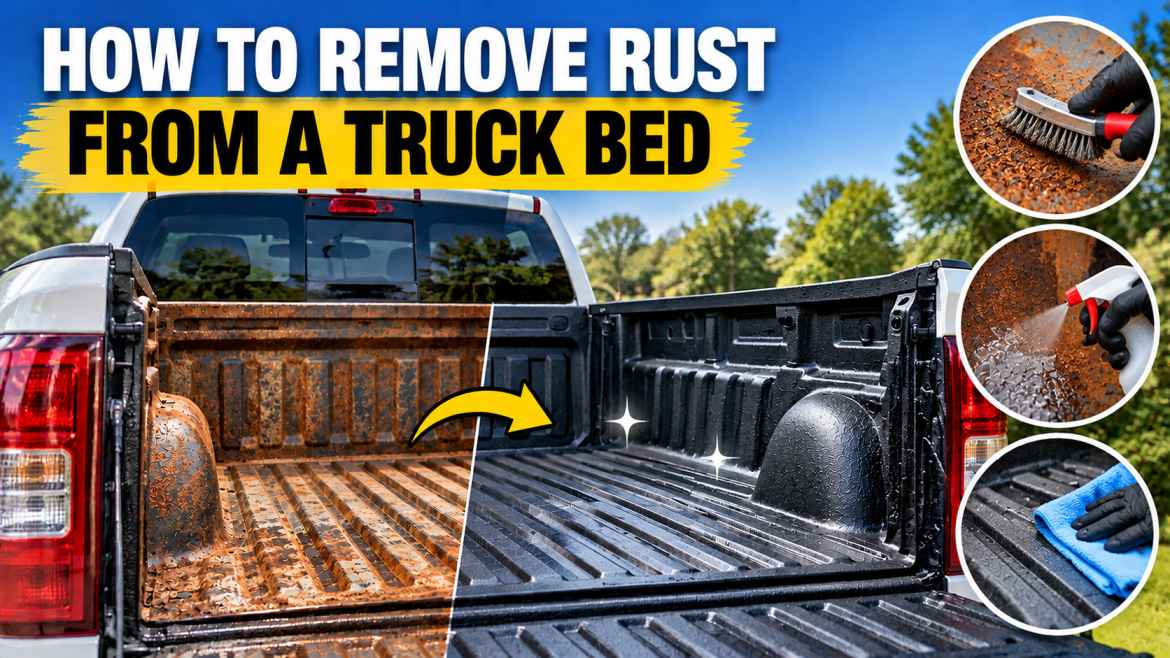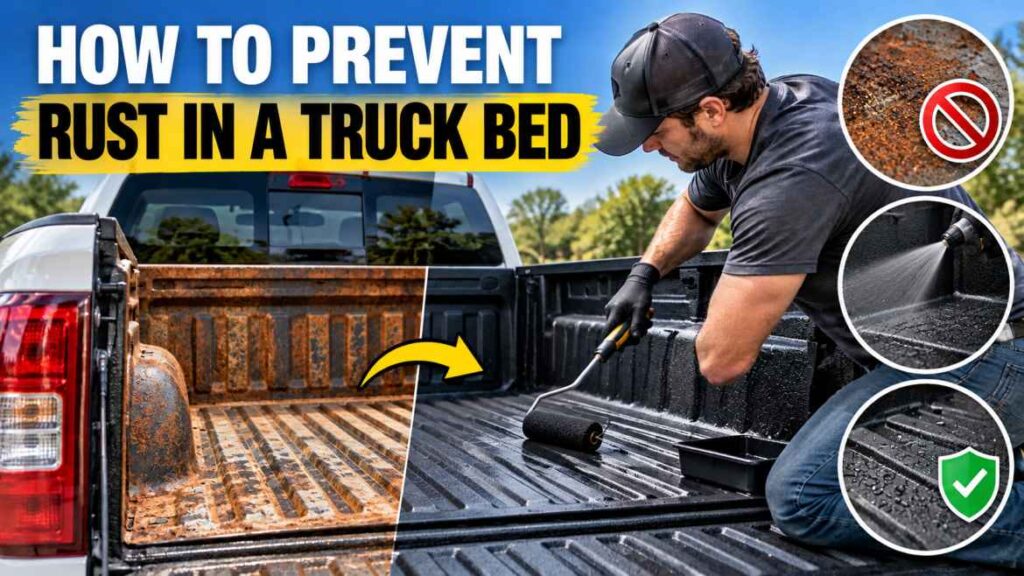
Rust usually becomes a truck-bed problem when bare or damaged metal is repeatedly exposed to moisture and contaminants. The bed floor, seams, rail areas, tailgate edges, fastener points and damaged paint deserve particular attention because dirt and water can remain there after the rest of the truck looks clean.
The goal is not to find one magic rust-proofing product. Good prevention is a maintenance process: keep the bed clean, keep protective coatings intact, remove corrosive contamination, and repair damage before it spreads.
Quick Answer
To prevent rust in a truck bed, keep the bed and drainage areas clean, remove road salt and wet debris, repair scratches and chips that expose metal, inspect seams and fasteners, keep protective coatings intact, and periodically check underneath removable liners or accessories where moisture can become trapped.
Why Truck Beds Rust
A painted steel bed is protected by its coating, but scratches, dents, worn areas and trapped debris can expose metal. Moisture then provides the environment for corrosion, while salt and other contaminants can accelerate the process.
GM maintenance guidance specifically recommends keeping pickup-box panels clear of dirt and debris, keeping painted surfaces protected, repairing damaged trim, and regularly inspecting for corrosion or coating damage.
Where to Look for Early Rust
- Bed-floor scratches and gouges
- Front wall and rear corner seams
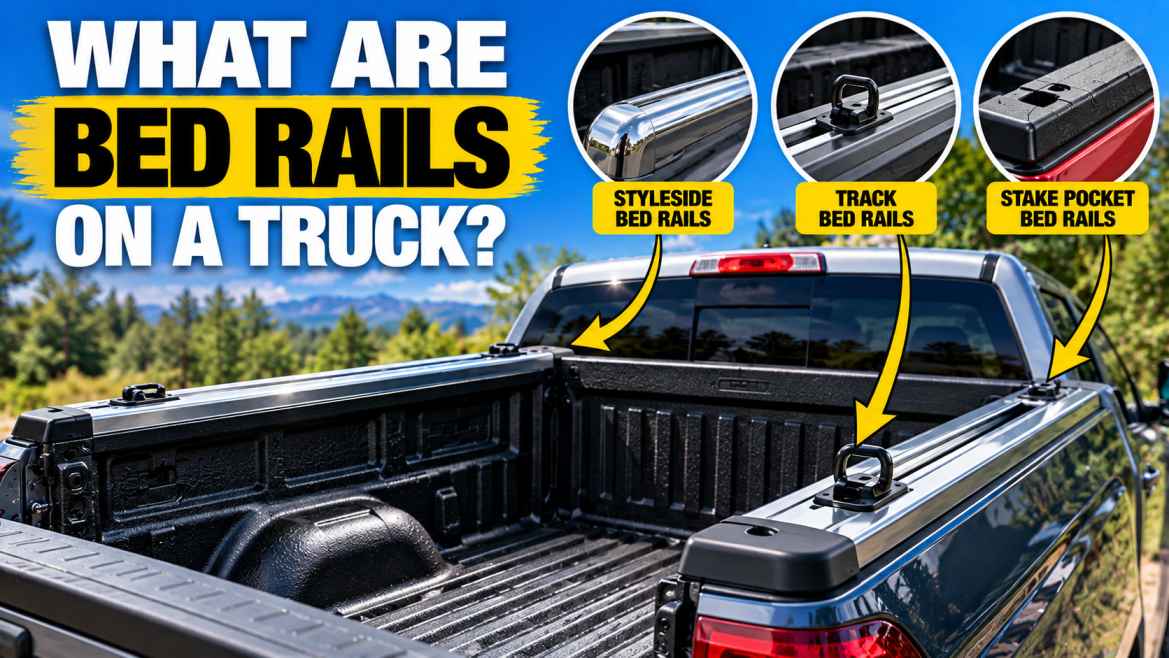
- Bed rails and stake-pocket areas
- Tailgate edges and hinges
- Fasteners and brackets
- Areas underneath removable liners or mats
- Places where cargo repeatedly rubs the coating
1. Keep the Bed Clean
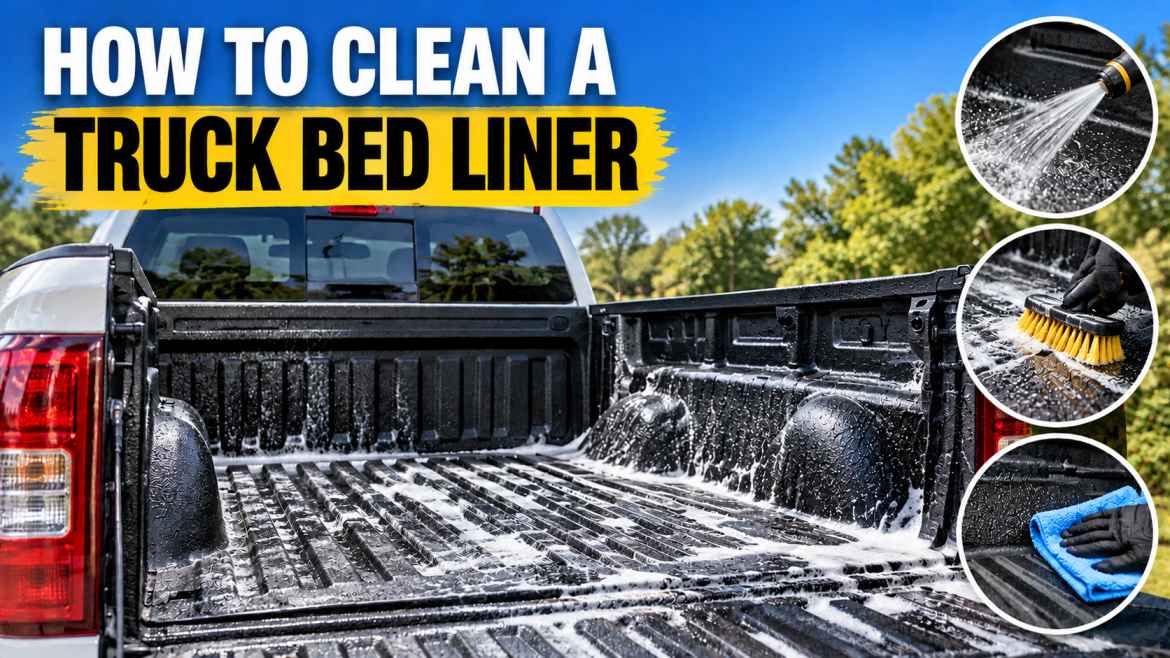
Cleaning is one of the simplest forms of rust prevention. Soil, leaves, salt and wet debris can hold moisture against metal and coatings. Remove heavy contamination instead of letting it sit for weeks.
This is particularly important after winter driving in areas where deicing materials are used. GM guidance notes that salt and debris buildup should be kept off truck-bed rail areas to help prevent corrosion.
2. Keep Drainage Paths Open
Water needs a way out of the bed. Keep factory drain openings and surrounding channels free of leaves, mud and debris. Do not permanently block drainage openings with accessories, coatings or accumulated material.
3. Repair Scratches Before They Become Rust
A deep scratch is more important than a superficial scuff because it can expose the underlying metal. Clean the damaged area, determine what coating system your truck uses, and use an appropriate repair process or have a body shop handle it.
Do not simply spray an unrelated coating over dirt or active corrosion. Surface preparation and product compatibility matter.
4. Be Careful With Bed Accessories
Tool boxes, racks, dividers, mats and other accessories can protect the bed, but they can also create contact points where grit and moisture collect. Check underneath and around mounting areas periodically.
5. Inspect Under a Removable Liner or Mat
A liner or mat can protect the bed from abrasion, but a removable product can also hide contamination. If the design permits removal, periodically clean underneath it and inspect the factory bed. This is especially useful after carrying wet or dirty cargo.
For more information on the role of liners, see our truck bed liner guide.
6. Rinse Salt and Road Contamination Away
If your truck regularly sees salted roads, give the bed and surrounding areas additional attention. Rinse contamination away rather than allowing a salt-and-dirt film to remain trapped in seams and rails.
Vehicle-care guidance also recommends flushing accumulated winter chemicals from vulnerable vehicle areas because corrosion can develop when those materials remain in place.
7. Do Not Ignore the Underside
Rust prevention should not stop at the visible bed floor. The underside, supports and crossmembers can collect mud and moisture. If you can safely inspect these areas, look for flaking corrosion, damaged coating or packed debris.
8. Use a Bed Liner for the Right Reason
A properly selected liner can reduce direct wear on the bed surface, but it is not a guarantee against corrosion. The underlying bed still needs inspection and proper maintenance. A liner that is damaged, poorly fitted or trapping debris should not be treated as permanent rust insurance.
Warning Signs That Need Attention
| Sign | What it can mean | Next step |
|---|---|---|
| Small orange spots | Early surface corrosion | Clean, inspect and repair promptly |
| Paint bubbling | Corrosion may be developing underneath | Investigate rather than painting over it |
| Flaking metal | More advanced corrosion | Consider professional repair |
| Holes or weakened metal | Structural corrosion | Have the bed professionally assessed |
Common Rust-Prevention Mistakes
- Leaving wet leaves or dirt under a mat
- Ignoring a deep scratch because it is small
- Covering active rust without proper preparation
- Blocking drain openings
- Never inspecting under accessories
- Using incompatible chemicals or coatings
FAQ
Does a truck bed liner prevent rust completely?
No. A liner can add protection, but damage, trapped moisture, exposed metal and corrosion underneath still need attention.
Should I wax a truck bed?
Only use a product that is compatible with the bed’s finish or coating. Do not assume a product designed for exterior paint is suitable for every liner.
Is surface rust a serious problem?
Early surface rust is easier to address than corrosion that has progressed into the metal. If the metal is bubbling, flaking, perforated or structurally weakened, professional assessment is sensible.
Build a Rust-Prevention Routine
The easiest way to prevent truck-bed rust is to make inspection part of normal truck care instead of waiting until corrosion is obvious. When you wash the bed, look at the floor, rails, corners, tailgate and mounting points. When you rotate tires or perform other routine service, inspect accessible areas underneath as well.
Frequency should match how the truck is used. A work truck that carries wet landscaping material or construction debris needs more attention than a pickup that carries dry cargo occasionally. Trucks exposed to coastal air or winter road salt also deserve more frequent cleaning and inspection.
Protect High-Wear Areas
Repeatedly sliding heavy cargo across the same section can damage paint or a protective coating. Use appropriate mats, pads or other cargo-protection equipment where it makes sense. The goal is to reduce abrasion without trapping moisture underneath the protective material.
Be Careful After Drilling or Installing Accessories
Accessory installation can create new exposed-metal points. Whenever a mounting procedure requires drilling or otherwise disturbing the factory finish, the exposed area should receive the corrosion protection specified by the vehicle or accessory manufacturer. Follow the accessory instructions for the appropriate corrosion-protection method.
Do Not Seal in a Moisture Problem
Adding a mat, liner or storage accessory should not become a reason to ignore moisture underneath it. If an accessory is removable, inspect beneath it periodically. Clean and dry the area before reinstalling it.
When Rust Prevention Is No Longer Enough
If you see bubbling paint, deep pitting, flaking steel, holes or corrosion around structural areas, prevention has become repair. At that point, cleaning and adding another protective product may only hide the problem. Have the metal evaluated and repair it properly before applying new protection.
Choose Protection That Matches the Bed
Rust prevention is not one product for every truck. A sound painted bed may need only cleaning and timely touch-up of damaged areas. A work truck exposed to heavy abrasion may benefit from a suitable liner or mat. A truck with existing corrosion needs repair before additional protection is treated as the solution.
Why Small Damage Matters
A deep scratch may look insignificant compared with the rest of the bed, but it can expose metal and become a starting point for corrosion. The same applies to damaged coating around accessory mounts. Repairing these small areas early is usually easier than dealing with corrosion after it has spread underneath the surrounding finish.
Keep Records of Repairs
If you repair a recurring corrosion area, note what was done and which coating system was used. This can help you choose compatible products later and gives a future technician useful information if the area needs attention again.
Bottom Line
The best rust prevention strategy is routine inspection combined with cleanliness. Keep salt and debris out, maintain drainage, repair coating damage early, inspect hidden areas and do not allow accessories or liners to hide problems indefinitely. Prevention is much easier when the first orange spot gets attention before it becomes a repair job.